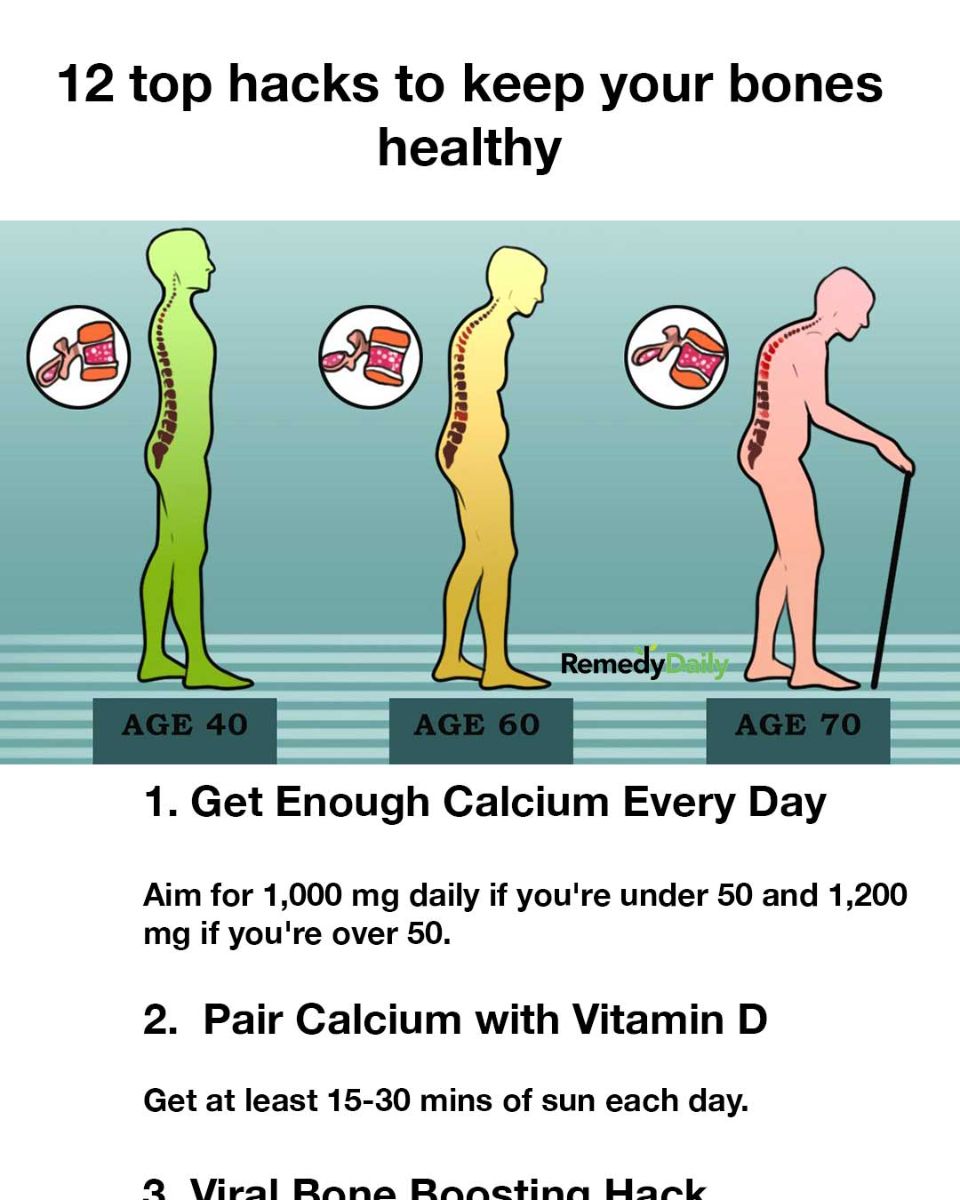
Aim for 1,000 mg daily if you’re under 50 and 1,200 mg if you’re over 50.
Best sources: Dairy products, leafy greens, almonds, and fortified foods (like plant-based milk).
If needed, consider calcium supplements, but don’t overdo it—too much can lead to kidney stones.
2. Pair Calcium with Vitamin D
Why it Works: Your body needs Vitamin D to absorb calcium properly. Without it, even a calcium-rich diet won’t help your bones.
How to Do It:
Get 15-30 minutes of sunlight daily.
Eat Vitamin D-rich foods: Fatty fish (salmon, mackerel), eggs, and fortified dairy products.
If needed, take a Vitamin D3 supplement (ask your doctor about dosage).
Viral Bone-Boosting Hack: The “Prune Challenge” – Eat 5-6 Prunes a Day!
Why It Works: Prunes (dried plums) aren’t just for digestion—they’re bone superfoods! Research shows that eating 5-6 prunes daily can help slow bone loss, improve bone density, and reduce fracture risk. Prunes are packed with potassium, vitamin K, and antioxidants, all of which support bone health by reducing inflammation and preventing calcium loss.
How to Do It:
Eat 5-6 prunes a day as a snack, mix them into yogurt, or blend them into a smoothie.
If you want an extra boost, aim for 10-12 prunes per day (but increase gradually to avoid digestive discomfort).
Try this for at least 6 months—studies show real improvements in bone density over time!
✅ Bonus: Prunes also support gut health, reduce inflammation, and may help prevent osteoporosis naturally.
3. Strength Training Exercises
Why it Works: Strength training puts stress on bones, which stimulates them to grow stronger. It also improves balance, reducing the risk of falls.
How to Do It:
Lift weights, use resistance bands, or do bodyweight exercises like squats and lunges.
Try strength training at least 2-3 times per week.
4. Do Weight-Bearing Activities
Why it Works: Bones respond to impact by increasing density. Activities like walking and dancing help maintain bone strength.
How to Do It:
Walk, jog, climb stairs, or play tennis for at least 30 minutes most days.
Swimming and cycling are great for fitness, but they don’t improve bone density as much—balance them with weight-bearing exercises.
5. Eat More Magnesium and Vitamin K
Why it Works: These nutrients help with calcium absorption and bone mineralization.
How to Do It:
Magnesium-rich foods: Nuts, seeds, whole grains, and dark chocolate.
Vitamin K-rich foods: Leafy greens like spinach, kale, and Brussels sprouts.
6. Limit Alcohol and Caffeine
Why it Works: Too much alcohol and caffeine can interfere with calcium absorption and weaken bones over time.
How to Do It:
Limit alcohol to one drink per day for women and two for men.
Keep caffeine intake moderate—stick to 1-2 cups of coffee daily.
7. Quit Smoking
Continue reading…
