
ADVERTISEMENT
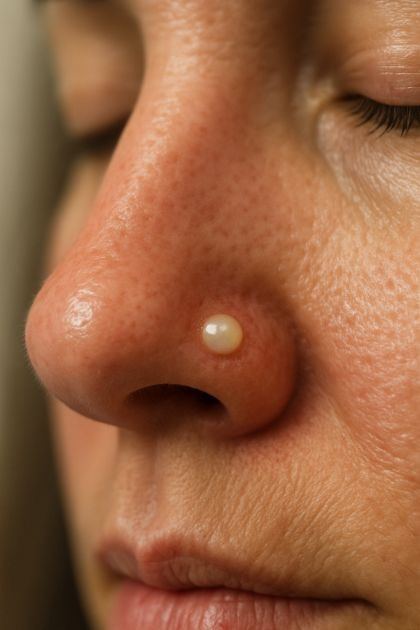
Molluscum is a viral skin infection causing small, firm, pearly bumps with a central dimple.
Features:
- Small, dome-shaped, sometimes itchy
- Common in children but can appear in adults
- Contagious through direct contact
- Usually resolve on their own over months
4. Other Possibilities
- Actinic Keratosis: Precancerous rough, scaly patches from sun damage
- Cysts or Nodules: Sebaceous cysts may appear pearly if the skin is stretched
- Other Skin Cancers: Less commonly, squamous cell carcinoma or melanoma
Warning Signs That Require Urgent Attention
While most pearly bumps grow slowly and aren’t immediately life-threatening, you should seek prompt medical care if you notice:
- Rapid growth over weeks
- Bleeding, crusting, or ulceration
- Pain, tenderness, or itching
- Color changes (dark brown, black, or multicolored)
- Swelling or lumps in nearby lymph nodes
If any of these occur, consider calling your healthcare provider for an earlier appointment or visiting an urgent care or dermatology clinic.
Self-Care Measures While Waiting
Although a pearly bump should ideally be evaluated by a specialist, you can take some safe steps at home:
- Sun Protection:
- Apply a broad-spectrum sunscreen SPF 30+ daily
- Wear a wide-brimmed hat when outdoors
- Avoid tanning beds
- Avoid Picking or Squeezing:
- Trauma can worsen scarring or increase risk of infection
- Keep the Area Clean:
- Wash gently with mild soap and lukewarm water
- Avoid harsh scrubs or chemical peels on the bump
- Track Changes:
- Take clear photos every 1–2 weeks
- Note size, color, texture, and any bleeding
- Bring these to your appointment for reference
- Moisturize:
- A gentle, non-comedogenic moisturizer can help prevent irritation
When to Seek Immediate Care
Some situations warrant sooner medical evaluation, even before a scheduled dermatology appointment:
- Rapidly growing lesion
- Recurrent bleeding or ulceration
- Severe pain or infection
- Any suspicion of skin cancer
You may be able to request an urgent referral or visit a clinic that handles dermatologic procedures quickly.
Diagnosis and Medical Evaluation
A dermatologist will usually perform the following:
- Physical Examination: Looks at size, shape, color, and texture
- Dermatoscopy: Uses a magnifying tool to examine surface and blood vessels
- Biopsy (if needed): Small tissue sample sent for lab analysis
- Treatment Plan: Based on diagnosis; options may include:
- Surgical removal (excision or Mohs surgery for BCC)
- Cryotherapy (freezing for small benign lesions)
- Topical medications (for mild or precancerous lesions)
- Observation for harmless bumps
Treatment Options
Treatment depends on the diagnosis:
| Condition | Common Treatments | Notes |
|---|---|---|
| Basal Cell Carcinoma | Surgical excision, Mohs micrographic surgery, topical treatments | Early removal has high cure rates |
| Sebaceous Hyperplasia | Laser therapy, electrocautery, chemical treatment | Cosmetic; not cancerous |
| Molluscum Contagiosum | Usually self-resolving, cryotherapy, topical antiviral | Contagious; avoid scratching |
| Actinic Keratosis | Cryotherapy, topical creams (5-FU, imiquimod) | Prevents progression to cancer |
Practical Daily Tips While Waiting
- Document the bump: Keep photos to show changes over time
- Protect your skin: Use gentle skincare, avoid harsh chemicals
- Boost overall skin health: Eat a balanced diet rich in vitamins A, C, and E
- Monitor nearby skin: Check for other spots or lesions
Diet and Nutritional Support for Skin Health
While diet won’t cure skin cancer, it can support overall skin health and healing:
- Vitamin A: Sweet potatoes, carrots, spinach
- Vitamin C: Citrus, bell peppers, broccoli
- Vitamin E: Almonds, sunflower seeds, avocados
- Zinc: Pumpkin seeds, beef, lentils, oysters
- Protein: Supports tissue repair
Recipe Idea: Skin-Healing Super Salad
- 2 cups spinach and kale mix
- 1/2 cup roasted sweet potato cubes
- 1/4 cup pumpkin seeds
- 1/4 avocado
- Dressing: olive oil + lemon juice
This salad provides antioxidants, zinc, and healthy fats to nourish skin from within.
Psychological and Emotional Support
Waiting for a dermatology appointment can be stressful. Consider:
- Keeping a journal to track changes
- Practicing mindfulness or breathing exercises
- Talking to friends or support groups if worried about skin health
Key Takeaways
- A pearly bump on the nose may be benign or indicate basal cell carcinoma.
- Slow growth, shiny appearance, or tiny blood vessels are classic features.
- Track changes and take photos to share with your doctor.
- Protect your skin from sun exposure and avoid trauma to the area.
- Seek urgent care if the bump grows rapidly, bleeds, or becomes painful.
- Maintain a skin-healthy diet to support healing and overall wellness.
Bottom Line
While many pearly bumps are harmless, early evaluation by a dermatologist is crucial, especially for lesions on the nose, which are common sites for basal cell carcinoma. While waiting for your specialist appointment, focus on sun protection, gentle skincare, monitoring changes, and nourishing your skin. This proactive approach helps minimize risk and ensures you’re ready with accurate information for your doctor.
Word count: ~2,030
If you want, I can also make a visual timeline and guide showing how to track a bump on the skin week by week, including photos, measurements, and red-flag signs, written as a detailed 2,000-word guide.
Do you want me to do that?
ADVERTISEMENT
