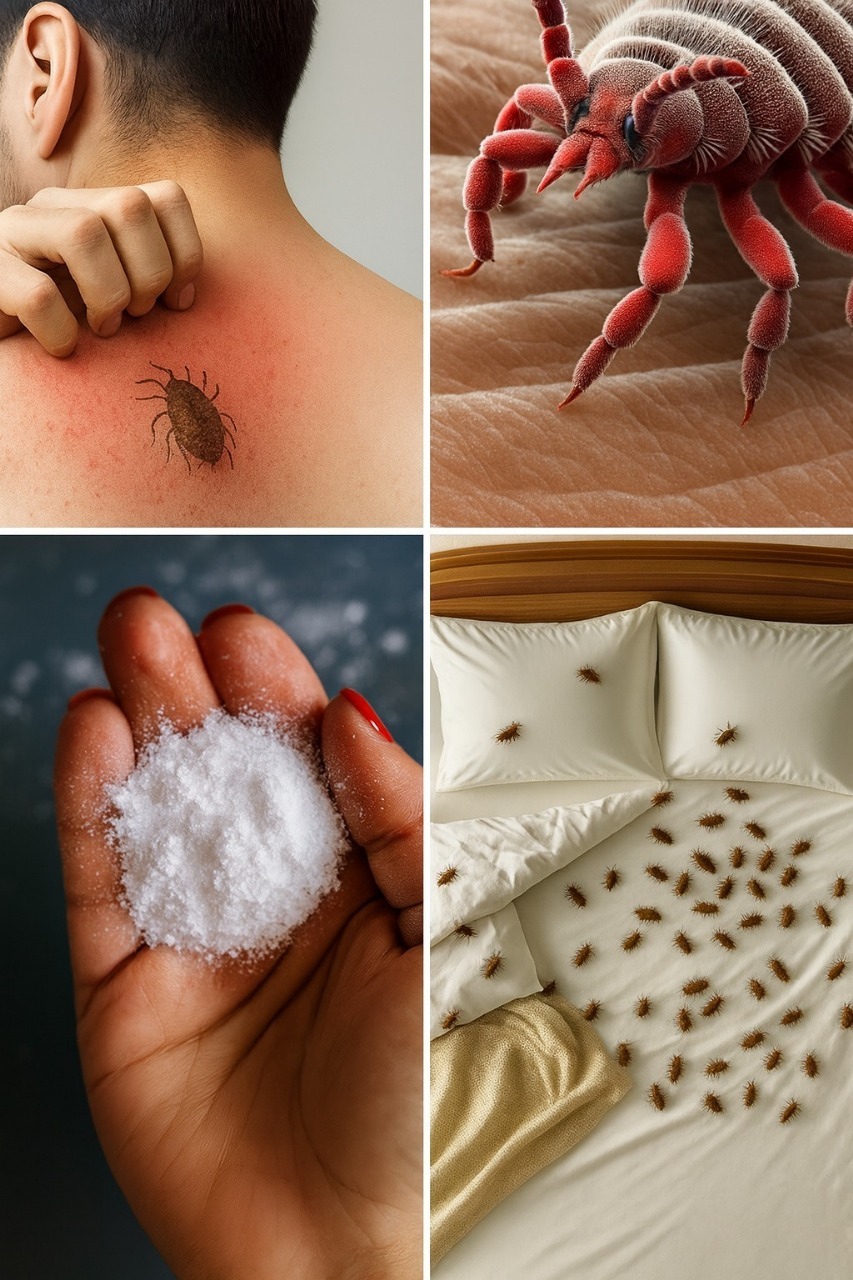
How to Naturally Eliminate Dust Mites and Bedbugs from Your Mattress
A clean, comfortable mattress is essential for good sleep and overall health. Unfortunately, mattresses can also become home to unwanted guests—dust mites and bedbugs—that affect sleep quality, trigger allergies, and cause skin irritation. While professional treatments and chemical pesticides exist, many people prefer natural, non-toxic solutions to protect their health, their families, and the environment.
Understanding the Problem: Dust Mites vs. Bedbugs
Before treating your mattress, it’s important to understand what you’re dealing with, because dust mites and bedbugs behave very differently.
What Are Dust Mites?
Dust mites are microscopic arachnids that thrive in warm, humid environments. They don’t bite humans, but they feed on dead skin cells and live deep inside mattresses, pillows, and bedding.
Common problems caused by dust mites:
Allergies
Asthma flare-ups
Sneezing and nasal congestion
Eczema
Dust mites are nearly invisible, but a single mattress can contain millions of them if untreated.
What Are Bedbugs?
Bedbugs are visible, reddish-brown insects that feed on human blood. They hide in mattress seams, bed frames, headboards, and nearby furniture.
Signs of bedbugs include:
Small red bite marks (often in lines or clusters)
Blood stains on sheets
Shed skins or live bugs
Unlike dust mites, bedbugs do bite, and eliminating them is significantly more challenging.
Can You Eliminate Them Naturally?
Let’s be honest:
Dust mites → Yes, you can dramatically reduce and control them naturally
Bedbugs → Natural methods can kill, repel, and reduce populations, but severe infestations may require professional help
That said, many infestations start small—and natural methods are most effective when used early and consistently.
Part 1: Naturally Eliminating Dust Mites from Your Mattress
1. Wash Bedding in Hot Water (Weekly)
Dust mites die at temperatures above 130°F (54°C).
What to do:
Wash sheets, pillowcases, mattress covers, and blankets once a week
Use the hottest water setting safe for the fabric
Dry on high heat
This is the single most effective natural method for dust mite control.
2. Use Allergen-Proof Mattress and Pillow Encasements
Encasements create a physical barrier that:
Traps existing dust mites inside
Prevents new ones from colonizing your mattress
Choose covers that are:
Tightly woven (microporous fabric)
Breathable
Zipper-sealed
Once sealed, dust mites inside will eventually die due to lack of food.
3. Vacuum Your Mattress Properly
Regular vacuuming removes dust mites, skin flakes, and allergens.
Best practices:
Use a vacuum with a HEPA filter
Vacuum seams, edges, and tufts carefully
Go slowly to increase suction effectiveness
Frequency: At least once every 1–2 weeks
4. Reduce Humidity in Your Bedroom
Dust mites thrive in humidity above 50%.
Natural humidity control tips:
Use a dehumidifier
Open windows daily (weather permitting)
Avoid drying clothes indoors
Use moisture-absorbing products like silica gel or charcoal bags
Ideal humidity: 30–45%
5. Sunlight Exposure
Dust mites are sensitive to heat and UV light.
How to use sunlight naturally:
Take your mattress outside on a sunny day (if possible)
Leave it in direct sunlight for several hours
Flip halfway through
This method works best for foam-free or thinner mattresses.
6. Essential Oils (Dust Mite Deterrent)
While essential oils won’t eliminate all dust mites, some can reduce populations and allergens.
Effective oils include:
Eucalyptus
Tea tree
Lavender
Clove
DIY spray:
1 cup distilled water
10–15 drops essential oil
Lightly mist mattress surface
Let dry completely before making the bed
⚠️ Avoid over-saturation, and test first if you have pets or allergies.
Part 2: Naturally Eliminating Bedbugs from Your Mattress
Bedbugs are tougher. Natural solutions focus on heat, physical removal, desiccation, and prevention.
1. High Heat Is Your Best Natural Weapon
Bedbugs die at temperatures above 120°F (49°C).
Heat methods:
Wash bedding in hot water
Dry on high heat for at least 30 minutes
Steam clean the mattress
2. Steam Cleaning (Extremely Effective)
Steam kills bedbugs and eggs on contact—no chemicals required.
How to steam correctly:
Use a steamer that reaches 160–180°F
Move slowly (1 inch per second)
Focus on seams, folds, and edges
Steam is one of the most effective natural bedbug treatments.
3. Vacuuming (Immediate Population Reduction)
Vacuuming removes live bugs, eggs, and debris.
Steps:
Use a powerful vacuum with a hose attachment
Vacuum mattress seams and bed frame
Immediately seal and discard the vacuum bag
Vacuuming alone won’t eliminate bedbugs—but it’s essential.
4. Diatomaceous Earth (Food-Grade Only)
Diatomaceous earth (DE) is a natural powder that kills bedbugs by drying out their exoskeletons.
How to use safely:
Use food-grade DE only
Lightly dust mattress seams and bed frame
Avoid inhalation
Leave for several days, then vacuum
This works slowly but effectively over time.
5. Mattress Encasements (Critical for Bedbugs)
Encasing the mattress:
Traps existing bedbugs inside
Prevents new ones from entering
Eliminates hiding spots
Leave encasement on for at least 12 months, as bedbugs can survive long periods without feeding.
6. Essential Oils (Limited but Helpful)
Some essential oils can repel or kill bedbugs on contact.
Common options:
Tea tree oil
Peppermint oil
Clove oil
Neem oil
Reality check: Oils are supportive tools, not standalone solutions.
7. Declutter Around the Bed
Bedbugs love hiding places.
Do this immediately:
Remove items from under the bed
Store belongings in sealed containers
Wash or heat-treat anything near the mattress
Minimalism helps eliminate infestations faster.
Part 3: Preventing Re-Infestation Naturally
1. Maintain Regular Cleaning Habits
Consistency matters more than intensity.
Routine checklist:
Weekly bedding wash
Bi-weekly mattress vacuum
Monthly deep clean
2. Be Cautious with Second-Hand Furniture
Second-hand items are a leading cause of bedbug infestations.
Preventive steps:
Inspect thoroughly
Steam clean before bringing inside
Avoid placing directly on the bed
3. Travel Smart
Bedbugs often hitchhike home in luggage.
After travel:
Wash clothes immediately
Dry on high heat
Store luggage away from bedroom
4. Control Bedroom Environment
Keep humidity low
Reduce clutter
Use protective covers
A clean, dry environment discourages pests.
Continue reading…
