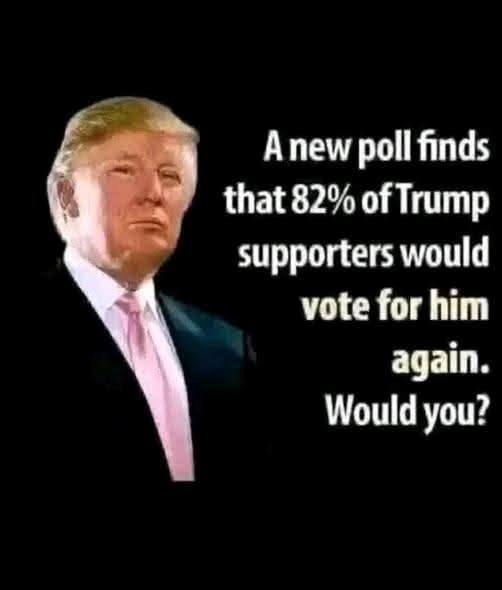
Donald Trump and His Support Base: Analyzing Loyalty and Political Trends
Introduction
Donald J. Trump, the 45th President of the United States, has been one of the most polarizing figures in modern American politics. Rising from the worlds of real estate and reality television, Trump leveraged media visibility and a distinctive political style to galvanize a broad, intensely loyal support base. His supporters have not only propelled him to the presidency but have maintained their loyalty through controversies, impeachment trials, and shifting political landscapes. Understanding the Trump support base requires examining demographic patterns, psychological motivations, media influences, and broader political trends. This essay analyzes the factors driving loyalty to Trump, the stability and evolution of his support base, and the implications for U.S. politics.
Trump’s support is not monolithic; however, several clear demographic patterns emerge.
Age and Education
Trump’s strongest support often comes from older Americans, particularly those over 45. Pew Research Center data consistently show that Trump outperforms his Democratic rivals among white voters without a college degree. This group often feels economically marginalized and culturally dislocated, which Trump’s rhetoric about “forgotten Americans” and promises to restore manufacturing jobs directly appeals to. Conversely, younger and highly educated voters tend to favor more progressive candidates, indicating a generational and educational divide in political alignment.
Race and Ethnicity
Race is a critical determinant of Trump support. White voters, especially non-college-educated whites, constitute the backbone of his political coalition. According to exit polls from the 2016 and 2020 elections, approximately 58–62% of white voters supported Trump. In contrast, Black, Hispanic, and Asian American voters overwhelmingly favored Democratic candidates, although Trump has made some inroads with certain Latino communities by emphasizing economic opportunity and conservative social values.
Gender
Trump enjoys higher support among men than women, though gender gaps vary by age, region, and education. Women’s lower support for Trump is linked to perceptions of his rhetoric and policy positions, especially on issues such as healthcare, reproductive rights, and gender equality. Nevertheless, Trump’s populist appeals and anti-establishment messaging resonate with some women in rural and suburban areas who feel alienated by mainstream political elites.
Geography
Psychological and Sociocultural Drivers of Loyalty
Beyond demographics, psychological factors and cultural identity play a significant role in shaping loyalty to Trump.
Populism and Anti-Elitism
Trump’s messaging consistently frames him as an outsider fighting against a corrupt political elite. This resonates with voters who perceive mainstream institutions—political, media, and academic—as dismissive of their economic and cultural concerns. Populist appeals are emotionally compelling because they position supporters as part of a “movement” against perceived injustice, fostering intense loyalty.
Authoritarian Tendencies and Personality Politics
Research in political psychology suggests that some segments of Trump’s base are drawn to strongman leadership qualities. Traits such as decisiveness, assertiveness, and willingness to flout norms are often interpreted as strengths rather than flaws. This aligns with the concept of “personality-driven politics,” where voters prioritize perceived character and identity alignment over specific policy positions.
Continue reading…
