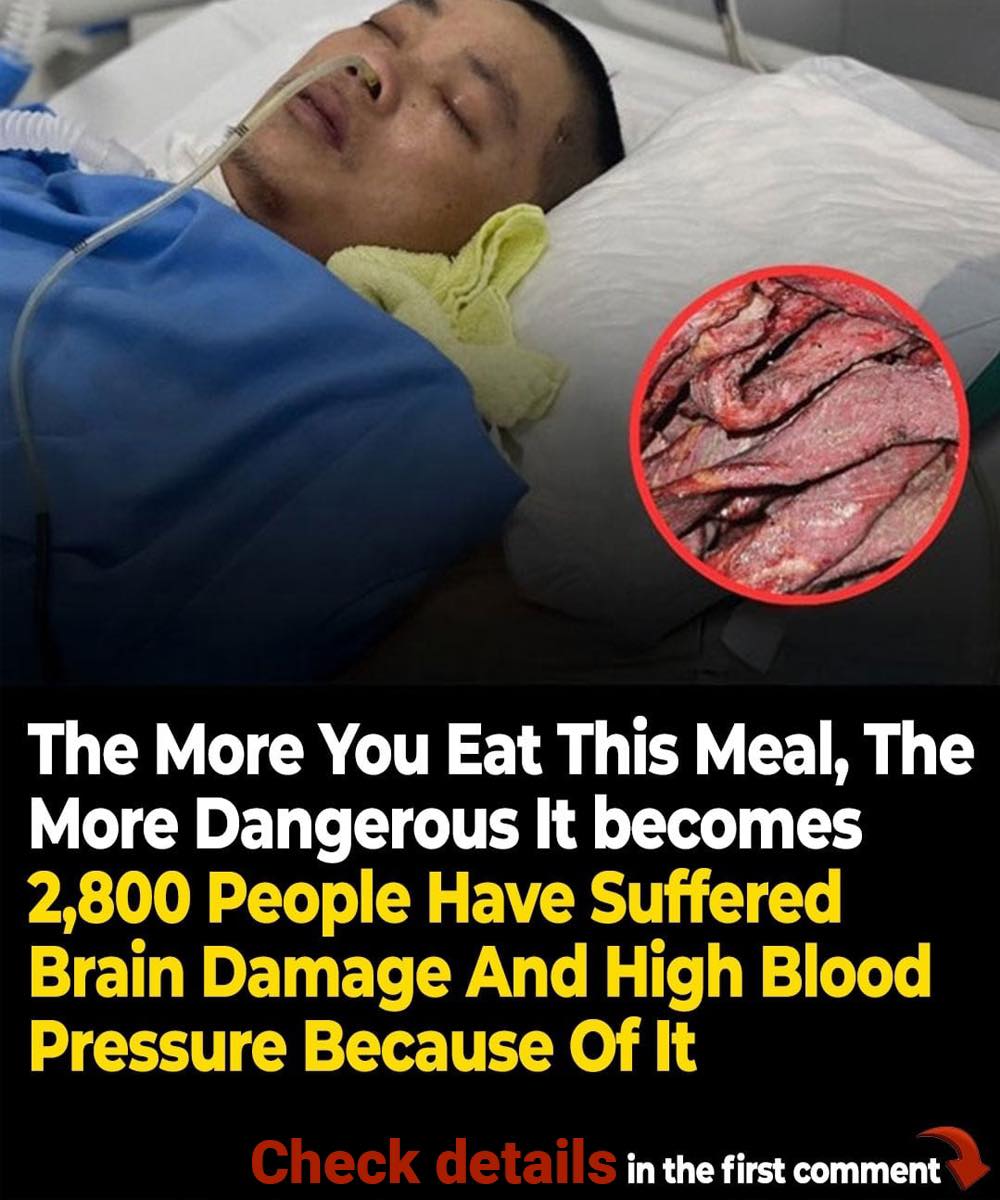
Why Eating More Processed Meat Increases Your Risk for Serious Health Problems
Processed meat is built for ease. It’s salty, long-lasting, and formulated to keep a bold flavor even after sitting in the refrigerator for weeks. That same processing, however, also alters what the body takes in. Over time, eating these foods regularly has been linked to higher risks of colorectal cancer, heart disease, and type 2 diabetes. The point isn’t to spark fear or demand perfect eating habits. It’s about understanding what the evidence suggests, how the risks likely develop, and how simple substitutions can reduce exposure without turning every meal into a struggle.
What “Processed Meat” Actually Means
The word “processed” often gets thrown around as a general criticism, but in public health research it has a specific meaning. Processed meat refers to meat that has been preserved in ways that extend shelf life and modify taste. These methods include curing, smoking, salting, or adding chemical preservatives. This distinction is important because, in many large studies, the health risks associated with processed meat are stronger than those seen with fresh, unprocessed meat. Researchers at the Harvard School of Public Health describe it simply: processed meat is any meat preserved by smoking, curing, salting, or the addition of chemical preservatives.
