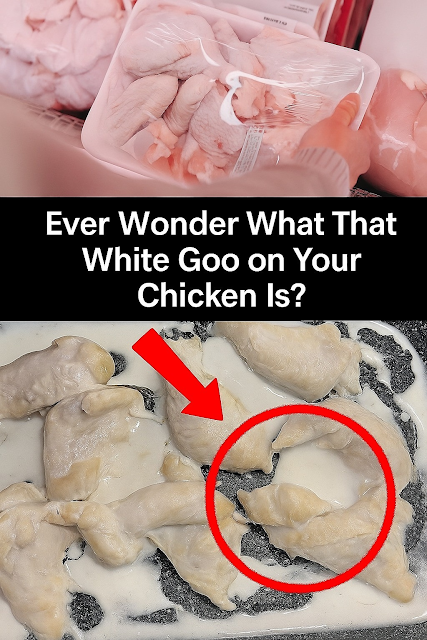
-
Temperature factor: Cooking chicken at high heat causes proteins to squeeze out moisture faster.
-
Moisture content: More water in the meat leads to more albumin being pushed to the surface.
-
Meat type: Breasts tend to show more white goo because they are leaner and have less fat.
-
Cooking method: Baking or grilling often results in visible white substance; frying may hide it in oil.
3. Is It Safe to Eat?
-
Yes, it’s completely edible and harmless.
-
It’s just protein that has been pushed out during cooking.
-
Many people mistake it for pus or fat, but it’s neither.
-
Suggestion: Rinse if visually unappealing, though this is optional.
4. How to Minimize the White Goo
-
Slow and steady cooking: Cook at moderate temperatures (around 350°F/175°C).
-
Resting the chicken: Let cooked chicken rest for 5–10 minutes so juices redistribute.
-
Don’t overcook: Overcooking squeezes more protein out. Using a meat thermometer is key—internal temp should be 165°F (74°C).
5. Nutritional Insight
Continue reading…
