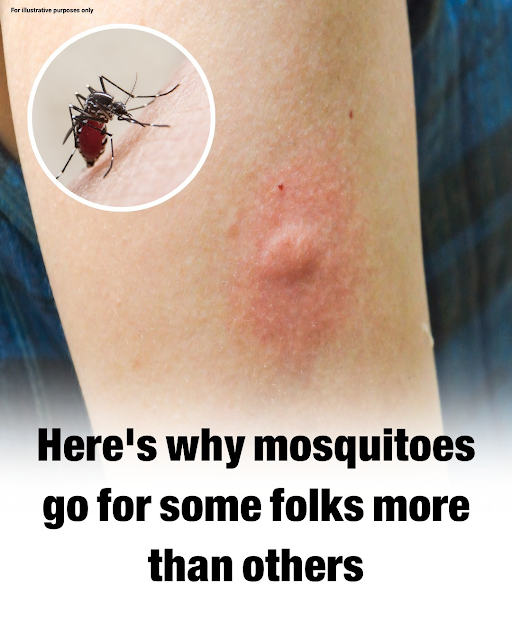
Mosquitoes locate their prey through a combination of chemical, visual, and thermal cues. They have highly sensitive antennae and specialized receptors that detect carbon dioxide (CO₂), body heat, sweat, and even skin bacteria. This sensory toolkit makes them remarkably effective hunters. So, if mosquitoes seem to swarm around you more than others, it’s because you’re giving off signals that scream “dinner is here!”
2. Carbon Dioxide: Your Invisible Beacon
One of the primary ways mosquitoes find humans is through carbon dioxide (CO₂) detection. All humans exhale CO₂, but some of us release more than others. The more CO₂ you exhale, the more likely a mosquito is to find you from a distance.
Activity levels: Running, exercising, or even walking briskly increases CO₂ output temporarily, attracting mosquitoes.
Pregnancy factor: Pregnant women exhale more CO₂, which is one reason they are often prime targets for mosquitoes.
In short, CO₂ acts like a homing beacon for mosquitoes. If you naturally exhale more, you’re essentially waving a dinner flag in the air.
3. Body Odor and Skin Chemistry
While CO₂ can attract mosquitoes from afar, body odor and skin chemicals determine who mosquitoes land on once they’re nearby. Your skin emits a cocktail of chemicals known as volatile organic compounds (VOCs), which are influenced by genetics, diet, hygiene, and even microbiome composition.
Some of the key chemical attractants include:
Lactic acid: Found in sweat, lactic acid is a major mosquito magnet. People who naturally produce more lactic acid or sweat more profusely are at higher risk.
Ammonia and fatty acids: These compounds are also found in sweat and can make your skin a more appealing landing spot.
Continue reading…
