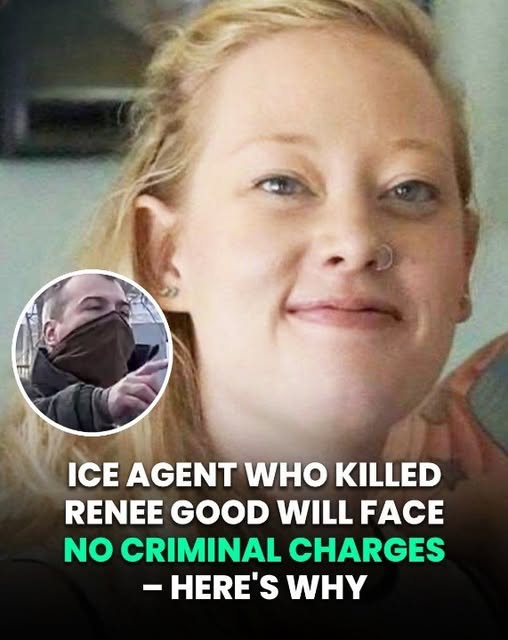
The core legal issue is the standard prosecutors would have to prove.
In federal civil-rights cases involving police use of force, prosecutors generally must show the officer acted “willfully,” meaning not just that the shooting was wrong, but that the officer knowingly violated the victim’s rights. That’s a high bar, and it’s one reason criminal charges are rare even in controversial shootings. (Fox News) At the state level, prosecutors can file charges under Minnesota law, but they still face the usual defenses in officer-involved shootings: self-defense claims, deference to split-second decision-making, and the political and evidentiary reality that jurors often give law enforcement the benefit of the doubt.
Vice President JD Vance publicly suggested Ross had “absolute immunity” because he’s a federal agent—language that escalated the controversy and triggered immediate pushback from legal analysts. The key point is that “absolute immunity” is not a simple shield that automatically prevents prosecution. If Minnesota indicted Ross, he could attempt to invoke a form of constitutional or federal immunity, and the case would become a fight not just about the facts, but about jurisdiction and the limits of state power over federal officers. (CBS News)
Meanwhile, details about the shooting itself have continued to emerge.
A Minneapolis Fire Department report, as described in reporting, states Good suffered four gunshot wounds. (People.com) Some accounts—citing statements from federal officials—frame the shooting as self-defense and claim the agent was struck or nearly struck by the vehicle. Other witness descriptions dispute that interpretation and describe shots fired into or through the vehicle as Good was inside. (New York Post)
Those competing narratives are exactly why the charging decision is so politically explosive. When a killing is filmed, people expect accountability to look straightforward: review the footage, identify wrongdoing, file charges if the force was unjustified. But the legal system doesn’t operate on public expectation—it operates on standards of proof, precedent, and institutional reluctance to prosecute officers.
That reluctance is not hypothetical.
A recent analysis of ICE shootings notes that immigration agents have been involved in multiple fatal shootings over the past decade without criminal indictments, pointing to structural and legal forces that tend to protect federal officers from prosecution. (WIRED) Whether someone views that as necessary protection for agents doing dangerous work or as a recipe for impunity depends on politics—but the pattern is part of why Good’s death has become more than a local tragedy. It’s being treated as a national test case for what consequences, if any, follow when federal immigration enforcement turns lethal.
The political response has only hardened lines.
The Trump administration has defended Ross aggressively, and President Trump has publicly characterized the broader resistance to immigration enforcement in extreme terms. That framing matters because it sets the tone for how federal agencies and sympathetic media describe the incident: not as a questionable shooting, but as a justified response to “threats” against officers. On the other side, Good’s supporters argue that the rhetoric is being used to pre-justify lethal force and discourage scrutiny.
Continue reading…
