3. Infections
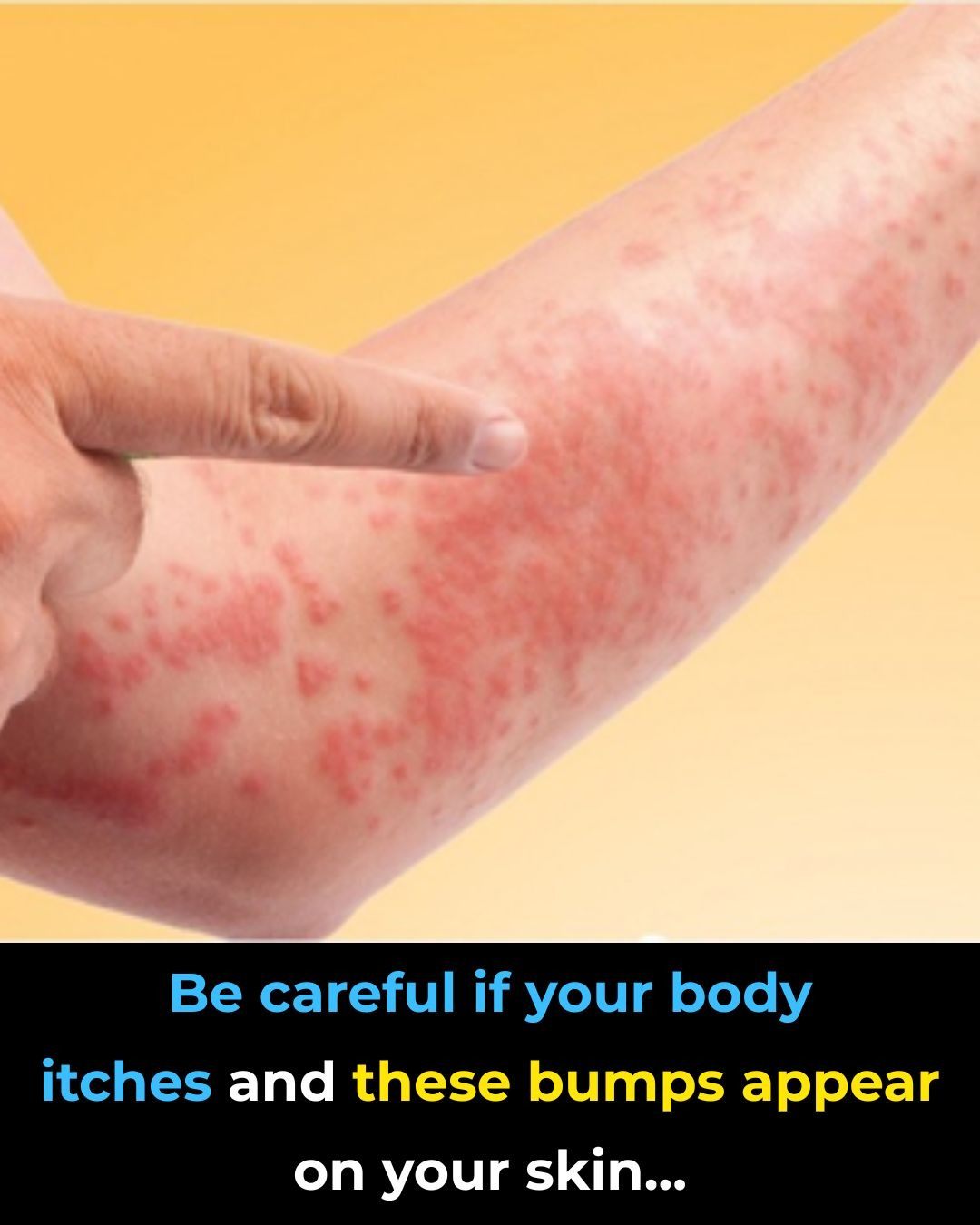
Viral or bacterial infections can sometimes set off hives. Even a minor cold, sinus infection, or urinary tract infection can provoke an immune response that results in skin welts. In children, viral infections are one of the most common causes of acute hives.
4. Certain Foods and Additives
While allergies to foods like shellfish, peanuts, or eggs are well-known triggers, even non-allergenic ingredients such as food additives, preservatives, or artificial colors can cause hives in sensitive individuals. Common culprits include sulfites, benzoates, and certain dyes in processed foods.
5. Medications
6. Physical Triggers
Certain physical actions can induce hives in a phenomenon called physical urticaria. Scratching, rubbing, pressure on the skin, or exposure to sunlight (solar urticaria) are potential triggers. Awareness of these triggers can help you adjust your daily habits and reduce outbreaks.
7. Underlying Medical Conditions
Sometimes, hives can signal an underlying autoimmune disorder, thyroid disease, or other chronic illness. If hives persist for weeks, occur frequently, or are accompanied by other symptoms like swelling, difficulty breathing, or fever, it’s important to seek medical evaluation.
Continue reading…
