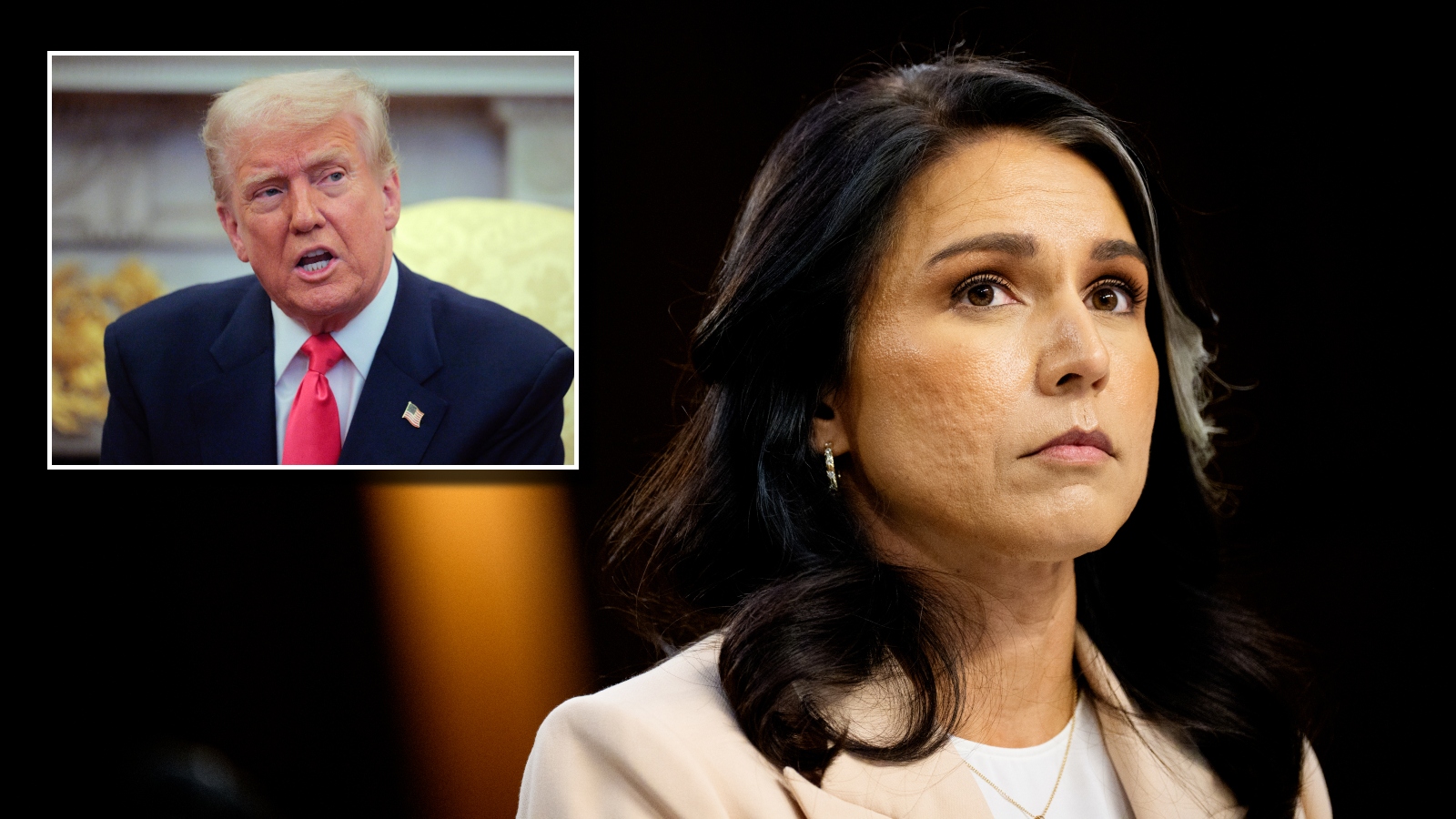
der her “broad statutory authority to coordinate, integrate, and analyze intelligence related to election security,” including counterintelligence and cybersecurity concerns.
Legal and Structural Questions
DNI authority vs. domestic law enforcement
Critics argue that the Office of the Director of National Intelligence (ODNI) was not designed to play a ground-level role in domestic criminal investigations, especially in politically charged matters such as an election probe. This concern is rooted in the law establishing the ODNI after the 9/11 attacks, which generally limits the agency’s role to coordinating intelligence on foreign threats and sharing information with relevant partners.
Under normal circumstances, the FBI operates independently in domestic criminal investigations, with oversight through the Justice Department and courts—not the ODNI. Whether intelligence related to election systems rises to the level of foreign influence or cybersecurity threats has been a matter of debate, but most observers argue that attendance at a raid is outside the typical duties of the intelligence director.
Coordination vs. interference
Gabbard’s defenders argue that intelligence related to election infrastructure vulnerabilities, foreign interference, or counterintelligence threats justifies her involvement on site. They point to the layered threat environment around elections, including cyber threats from foreign actors, as creating a nexus between intelligence oversight and enforcement.
However, legal experts and congressional critics point out that national intelligence authority does not inherently include attendance at a domestic law enforcement raid unless explicitly tied to foreign counterintelligence investigations. The question becomes not just one of statutory authority but also precedent and institutional norms—and whether Gabbard’s explanation sufficiently aligns with either.
Political Reactions and Partisan Fallout
Democratic opposition
Top Democrats on key intelligence committees, including Senator Mark Warner and Representative Jim Himes, have demanded detailed briefings on why Gabbard was present and what intelligence justified her role. They argue that the DNI should not engage in domestic law enforcement operations without proper oversight, and that such actions set a dangerous precedent for intelligence politicization.
Some Democrats have framed Gabbard’s presence as part of a broader pattern of the Trump administration blurring the lines between governance and political interests, citing ongoing challenges to election integrity and federal actions that have appeared to serve political aims.
The Trump administration, including Gabbard’s office, the White House, and some Justice Department officials, has defended the decision to have her present. A senior ODNI official insisted that the intelligence office’s mandate includes counterintelligence linked to election security, and that it was within normal authority to participate in such intelligence-related efforts.
Deputy Attorney General Todd Blanche publicly stated that Gabbard’s presence “shouldn’t surprise anybody” and defended her expertise in the area of election integrity, while acknowledging that the director is not traditionally part of criminal investigations.
Supporters of the administration emphasize that Trump directed the action to protect election integrity and that Gabbard’s involvement reflects a broader government focus on foreign and cyber threats to electoral processes.
Critics and watchdogs
Legal experts, former intelligence officials, and election security authorities have expressed alarm over the raid itself and Gabbard’s attendance. They argue that an intelligence chief participating in a domestic criminal investigation risks politicizing intelligence agencies and undermining the norms separating political objectives from law enforcement.
Some commentators have also raised concerns about the optics and precedent: if high-level political figures can embed intelligence officials in enforcement actions tied to contested political narratives, it could erode public trust in both electoral systems and the federal rule of law.
Controversy Continues: Broader Developments
Local legal challenges
These legal challenges are likely to bring further scrutiny to both the raid’s justification and the broader federal approach to election-related investigations.
FBI internal pushback
Reports emerged that the special agent in charge of the FBI’s Atlanta field office was reportedly removed or sidelined after expressing hesitancy about renewed federal focus on alleged 2020 election irregularities—suggesting internal tensions within the bureau about the raid and its political repercussions.
Public perception and partisanship
Public responses have been sharply divided: many supporters of the Trump administration defend the FBI’s actions and Gabbard’s role as necessary steps to ensure election integrity, while opponents view it as politically motivated and harmful to democratic norms.
Polls and discussions in mainstream media reflect widespread debate over the legitimacy of the 2020 election allegations and broader concerns about government intervention in election systems—debates that continue to shape public confidence in electoral institutions and federal agencies.
Analysis: What This Means Going Forward
Institutional implications
The Gabbard incident underscores a fundamental tension in U.S. governance: how to balance national security concerns about elections (including foreign interference and cybersecurity threats) with the established separation between intelligence and law enforcement functions.
Traditionally, the intelligence community focuses on foreign threats and passes relevant information to domestic agencies with proper jurisdiction. Acting at the scene of a domestic raid blurs those lines, and if left unchecked, may create new, potentially problematic precedents.
Political landscape
This controversy is likely to reverberate throughout both policy debates and electoral politics. Democrats see the episode as validation of fears about politicized justice and eroding norms, while Republicans loyal to Trump frame it as a necessary step toward “election security” that has been neglected by previous administrations.
As the 2026 midterms and future presidential contests approach, trust in federal institutions and perceptions of partisanship within them will be central themes—and flashpoints like this FBI raid will continue to influence national discourse.
Conclusion
The Trump administration’s defense of Tulsi Gabbard’s presence at the FBI raid in Georgia has raised profound legal, institutional, and political questions. While the administration frames her involvement as lawful and necessary under an expanded view of election security authority, critics argue it represents a concerning expansion of executive influence over independent law enforcement and intelligence roles.
The fallout from this event—legal challenges, congressional scrutiny, public debate, and institutional reflection—will continue to shape U.S. politics and governance well beyond the immediate controversy.
