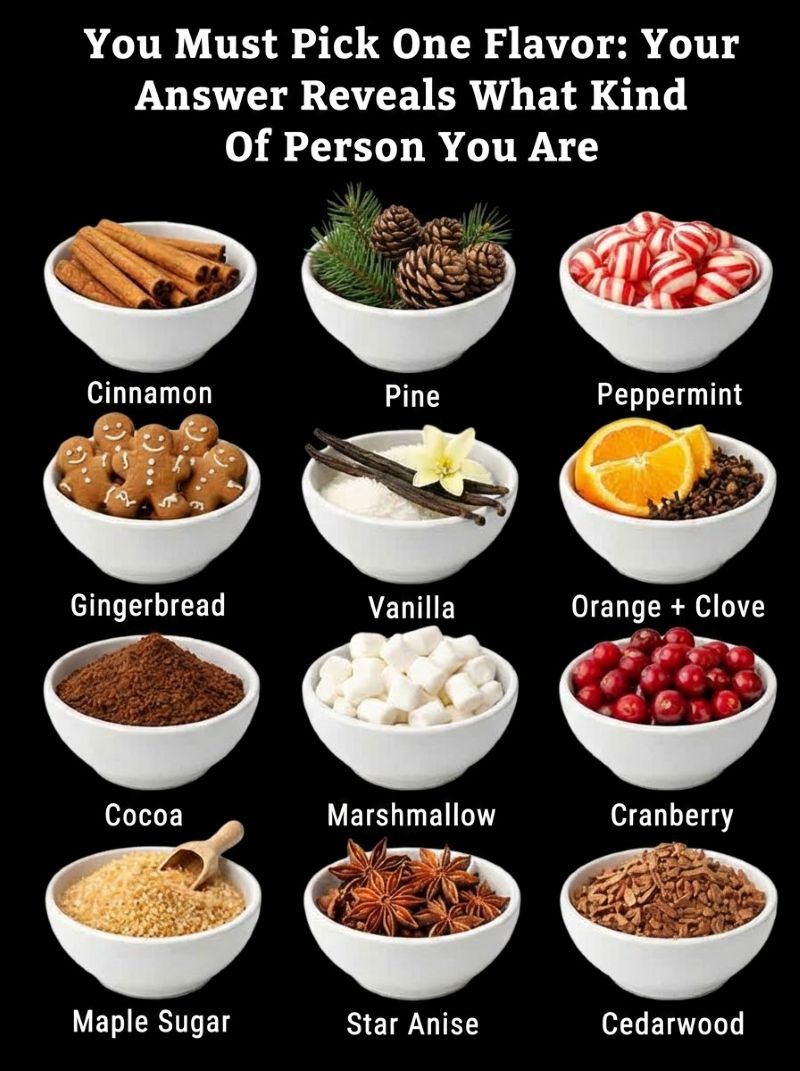
But dig deeper, and salty became:
Reliability
Emotional steadiness
The person who shows up when things fall apart
One participant put it perfectly:
“I’m salty because I preserve things. I keep people together.”
That answer stuck with everyone.
Spicy: Energy, Risk, and Transformation
Spicy answers were often the most animated.
These people talked about:
Passion
Disruption
The willingness to be “too much”
But they also acknowledged cost:
Being misunderstood
Burning out
Making others uncomfortable
“I’m spicy, but not all the time. I know when to pull back. That’s taken years to learn.”
Spicy wasn’t chaos—it was controlled intensity.
Sour and Bitter: The Most Honest Answers in the Room
Sour and bitter answers often came with nervous laughter.
But they turned out to be some of the most profound.
People who chose these flavors talked about:
Grief
Realism
Loss
Aging
Truth without sugarcoating
One quiet voice said:
“I’m bitter—not in a resentful way. In a ‘I’ve tasted enough to know what’s real’ way.”
The room went silent.
No one rushed to fix it.
No one reframed it into positivity.
They just listened.
And that was connection.
Umami: Depth, Complexity, and Belonging
Umami answers often came from people who felt hard to categorize.
They described themselves as:
Layered
Culturally mixed
Emotionally deep
Hard to explain quickly
One person said:
“People don’t notice me right away. But when they do, they realize I’ve been holding the whole dish together.”
That metaphor landed hard.
Why Flavor Works When Other Icebreakers Fail
There are countless icebreaker questions out there. Most of them fail for one of three reasons:
They’re too boring
(“What’s your favorite movie?” leads to lists, not insight.)
They’re too invasive
(“What’s your biggest fear?” too soon.)
They reward performance over honesty
(“Two truths and a lie” favors confidence, not depth.)
The flavor quiz avoids all three.
It’s sensory, not abstract
Taste is embodied. It lives in memory, culture, and emotion.
It’s metaphorical
People can reveal as much or as little as they want.
It invites storytelling
The why matters more than the answer.
Most importantly, it doesn’t demand vulnerability—it invites it.
The Science Behind It (Without Getting Boring)
There’s real psychology behind why this works.
Metaphor processing allows people to talk about themselves indirectly, which feels safer.
Sensory language activates emotional memory more effectively than abstract traits.
Choice-based questions give people autonomy, reducing social pressure.
In short: the brain relaxes.
When people feel relaxed, they connect.
Where This Quiz Created Unexpected Impact
What started as a casual exercise began popping up everywhere.
In Workplaces
Teams used it during onboarding.
Managers learned how employees see themselves.
Conflicts softened when people understood each other’s “flavor.”
One leader shared:
“I stopped seeing someone as difficult and started seeing them as ‘bitter chocolate’—not for everyone, but essential.”
In Classrooms
Teachers used it to help students articulate identity.
Quiet students spoke more.
Cultural stories surfaced naturally.
One student explained their flavor through a dish their grandmother made.
Half the class had tears in their eyes.
In Friend Groups
People learned things about friends they’d known for years.
Old assumptions cracked open.
New empathy formed.
Someone said:
“I thought I knew you. I didn’t know this part.”
In Dating and Relationships
The quiz replaced awkward small talk.
It revealed values faster than hobbies ever could.
One couple said:
“We realized we weren’t the same flavor—but we paired well.”
The Hidden Power: Listening, Not Answering
The most important part of the quiz isn’t choosing a flavor.
It’s what happens after.
When someone finishes explaining, and instead of responding with:
“Same!”
“That’s so me.”
“Here’s mine.”
You say:
“Tell me more.”
That’s where connection deepens.
The quiz works because it creates space for witnessing, not just sharing.
How to Use the Flavor Quiz Intentionally
If you want this to spark real connection, a few guidelines matter.
1. Don’t Rush It
Silence is part of the process. Let people think.
2. Don’t Correct or Joke Away Answers
Even if someone says “bitter” or “bland.” Especially then.
3. Model Depth First
If you’re facilitating, go first—and go honestly.
4. Resist Turning It Into a Label
Flavors are fluid. People change. Let that be true.
Why This Matters More Than Ever
We live in a time of:
Shallow interactions
Performative vulnerability
Algorithm-driven identity
People are exhausted by being asked to define themselves perfectly.
The flavor quiz doesn’t ask for perfection.
It asks for presence.
And presence is rare.
A Small Question With a Long Echo
Weeks after one session, someone emailed to say:
“I still think about what flavor I chose. I notice when I act like it—and when I don’t. It made me kinder to myself.”
That’s not an icebreaker.
That’s a mirror.
All from a question that seemed almost too simple to matter.
Try It Yourself
The next time you’re with a group—or even one person—ask:
“What flavor are you right now?”
Not forever.
Not at your best.
Just right now.
Then listen.
You might be surprised how much people have been waiting to say—
and how little it takes to invite them to say it.
