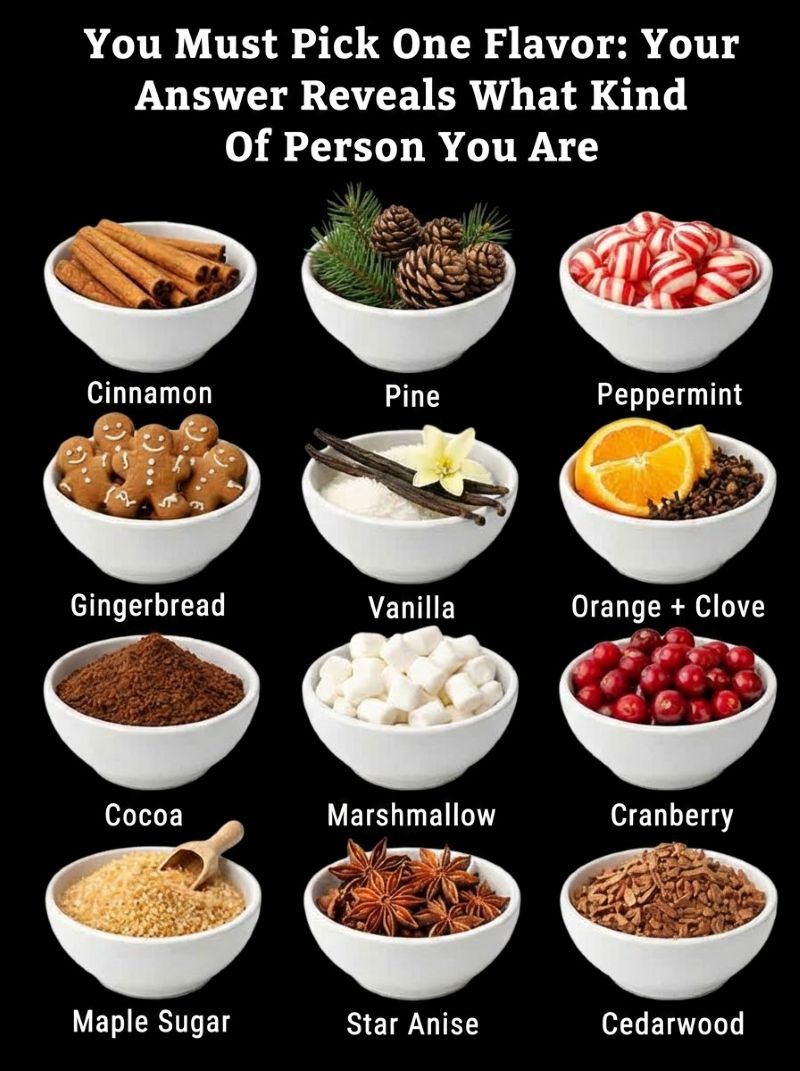
The Simple Flavor Quiz That Sparked Meaningful Connections
It started, as many meaningful things do, with something almost laughably small.
Just this:
“If you had to choose one flavor to represent you, what would it be?”
Sweet.
Salty.
Spicy.
Sour.
Bitter.
Umami.
At first glance, it sounded like a throwaway icebreaker—something you’d expect to see scribbled on a café chalkboard or tossed into a team meeting to kill time. But what happened next surprised everyone in the room.
People leaned in.
They paused longer than expected.
They laughed—then got quiet.
They explained.
They listened.
And without anyone planning it, a simple flavor quiz cracked open conversations about identity, culture, memory, values, and belonging.
This is the story of how a tiny question about taste became a surprisingly powerful tool for connection—and why it works so well.
We tend to believe meaningful conversations require depth right out of the gate.
We think connection comes from questions like:
“What shaped you?”
“What are you afraid of?”
“What do you want your life to stand for?”
Those questions do matter—but they’re heavy. They demand vulnerability before trust has been built. For many people, they feel invasive, performative, or exhausting.
Simple questions, on the other hand, feel safe.
A flavor quiz doesn’t ask, “Who are you, really?”
It asks, “What do you enjoy?”
And enjoyment is personal without being threatening.
That’s the magic.
The Flavor Quiz: How It Works
At its core, the quiz is intentionally minimal.
You ask one question:
Which flavor best represents you—and why?
You can offer options (sweet, salty, spicy, sour, bitter, umami), or leave it open-ended. Some people stick to classic tastes. Others go rogue:
“Smoky.”
“Fermented.”
“Sweet, but with a bite.”
“Something you didn’t like as a kid but love now.”
There are no right answers.
No scoring system.
No interpretation sheet.
The meaning comes from the explanation, not the label.
What People Actually Reveal Through Flavor
What surprised us wasn’t the answers—it was the reasons behind them.
Sweet: More Than Just “Nice”
People who chose sweet rarely framed it as simple happiness.
They talked about:
Being a comfort to others
Wanting to make hard things softer
Growing up in environments where warmth was scarce
Choosing gentleness as an act of resistance
One person said:
“I’m sweet, but not because life was sweet to me. Because I decided to be.”
Suddenly, “sweet” wasn’t shallow.
It was intentional.
Salty: Loyalty, Honesty, and Edge
Salty got a bad rap at first—people joked about sarcasm or bitterness.
Continue reading…
